
Electrical issues in homes and businesses across Albany often begin with subtle warning signs—flickering lights, unusual smells, or sudden power interruptions. These are clear indicators that you may need an Emergency Electrician in Albany without delay. Electrical faults are serious matters, as electricity can cause shock, severe injury, or even death when not handled correctly.
In this guide, I’ll explain how a qualified 24/7 electrician identifies and resolves dangerous electrical faults while keeping safety the top priority. You’ll learn the key warning signs to recognise, the immediate safety steps to take, and what actually happens when an emergency electrician arrives on-site.
Why Electrical Faults Are a Serious Safety Risk
Electrical faults aren’t just technical inconveniences—they’re immediate safety risks. Exposed live components can cause serious electric shocks or burns, while overloaded circuits and faulty wiring can quickly lead to electrical fires. These hazards are often hidden but highly dangerous. As any local electrician in Albany will tell you, safety always comes first.
Only a licensed Emergency Electrician in Albany should handle high-voltage electrical faults. When electrical systems start failing, expert intervention is essential—never guess or attempt DIY fixes. Understanding why these faults are risky helps explain how professional electricians manage them safely and effectively.
Electrical faults such as exposed wiring or overheated circuits are far more dangerous than they appear. If not addressed promptly, they can result in shocks, fires, or major property damage. That’s why having an Emergency Electrician in Albany available is critical. These professionals are trained to identify and neutralise risks before they escalate into serious incidents.
Common Electrical Faults and Emergency Response
| Electrical Fault | Risk Level | How an Emergency Electrician in Albany Handles It |
|---|---|---|
| Flickering lights | Medium | Inspects wiring, checks loose connections, balances circuit load |
| Burning smell from outlets | High | Shuts down power, replaces damaged wiring or outlets |
| Tripping circuit breakers | Medium–High | Tests circuits, identifies overloads or short circuits |
| Exposed or damaged wiring | Critical | Isolates power and replaces unsafe wiring immediately |
| Partial power outage | High | Traces fault and restores safe electrical flow |
Common ways electricity causes harm include:
- Electric shock or burns: Contact with live wiring, even indirectly, can result in serious injury or fatal outcomes.
- Electrical fires: Faulty wiring, damaged insulation, or overloaded circuits can ignite surrounding materials.
- Arc flashes or blasts: Sudden electrical faults can release intense heat and energy, causing severe burns.
In Albany’s occasionally damp and coastal climate, these risks are heightened. Moisture exposure increases the likelihood of ground faults and electrical leakage. A licensed electrician will always isolate circuits, verify safety equipment, and follow strict procedures before beginning any work.
Regulations clearly state that only licensed electricians are permitted to carry out electrical repairs, as outlined by Safe Work Australia’s electrical safety guidelines, which emphasise that electrical work must only be performed by qualified professionals. These professionals approach every job with care and precision, ensuring each step reduces risk and protects you from unexpected electrical hazards.
Spotting Risky Faults: Warning Signs to Watch
Your home may hint that something’s wrong long before catastrophe strikes. Flickering lights, sizzling outlets or strange smells are your red flags. Here are common danger signals that mean “call an emergency electrician in Albany immediately”:
- Flickering or dimming lights: This often signals overloaded or loose wiring. Lights that dance like a disco or slowly go dark mean current isn’t stable. (Luno Electrical labels this “urgent”.)
- Burning or plastic smell: If your nose picks up a scorched-wiring odor, do not ignore it. It usually means an overheating wire or component, a precursor to fire.
- Repeated breaker trips: When circuits trip often, it suggests shorts or overload. Each trip is like a warning bell; don’t just reset the breaker and forget it. Let an electrician find out why.
- Buzzing, sizzling or crackling noises: Electrical buzzing in outlets or from the switchboard is screaming for help. It indicates arcing or loose connections.
- Warm or discolored outlets/switches: Feeling heat from a socket, or seeing scorch marks, means wires inside may be damaged or overloaded.
- Anyone shocked: If touching an appliance or switch gives someone a zap, that’s a life-threatening fault. As Luno Electrical explains, that’s a critical emergency – call 000 then an electrician.
These cues are more than just nuisance; they’re your electrical system telling you it’s in trouble. Ignoring them is like sleeping on a smoke alarm while a fire starts. By the time flames or a major shock occur, it’s far more dangerous. In fact, Luno Electrical’s three-tier emergency system puts sparks or burning smells in the urgent category – meaning get help now.
FAQ (spotting faults): If your lights flicker or you smell burning, kill the power to that circuit and call a 24/7 electrician immediately. These signs often mean overloaded wires or faulty insulation, which can escalate into fires or shocks if ignored.
First Response: Safety First
The very first rule of an electrical emergency is safety. If you suspect something dangerous, power down before anything else. If it’s safe to reach, flip off the main switch or the affected circuit breaker. This cuts power and halts the hazard instantly. For example, if you smell burning or see sparks, turn off power at the switchboard – this prevents arcs and fires from spreading.
However, only do this if you can do so without danger. If smoke or flames are present, evacuate immediately. Call 000 (the Australian emergency number) at once. Australian experts warn: never try to fight an electrical fire with water – it can conduct electricity right into you. Use a Class C (or electrical) fire extinguisher if one is handy, or just get out and let the fire brigade handle it.
In a shock incident, don’t touch the victim if they’re still in contact with the source. Instead, trip the power. If you can’t cut power, use a wooden broom handle (or anything non-metallic) to free them. Then, call 000 immediately and then your emergency electrician in Albany to fix the root fault.
Once you and your family are safe and the immediate danger is handled, that’s when the 24/7 electrician steps in. These electricians often arrive on-site wearing full gear: rubber gloves, boots, flame-resistant clothing and hard hats (basically an arc-flash suit). This PPE protects them from any last sparks or arcs that could pop up. In one stroke, the PPE gear completely neutralizes risk – think of it like an insulated superhero outfit. Always remember: do not go poking around a live fusebox yourself; trained electricians have special equipment (like voltage detectors) to do that safely.
Australians also have safety devices like RCDs (safety switches) built into modern homes. These trip automatically when a fault occurs. The law even says you must figure out why an RCD or breaker tripped before turning it back on. A good emergency electrician will do exactly that: they’ll inspect the tripped device, test for leakage currents, and only restore power once they know it’s safe. This careful approach is why they do final testing and certification after repairs – it’s the difference between a quick fix and a safe fix.

Diagnosing and Fixing Faults
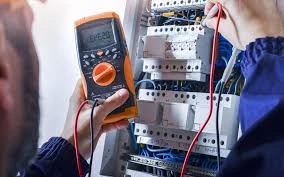
When the pro electric sparkie arrives, they go full Sherlock Holmes on your electrical system. They start with inspection and testing. First, a visual sweep: checking panels, sockets and switches for obvious damage (burn marks, loose wires, corrosion). Then they use tools – multimeters, clamp meters and circuit tracers – to find invisible trouble. For example, a multimeter might show a short circuit (near-zero resistance between live and neutral) or a ground fault leaking current.
“I once had a call in the middle of the night in Albany’s residential area – lights out, silence. Turns out a tree branch had crushed our local underground feed. In the dark, I used a clamp meter to trace which breaker line was dead. Two hours later, power was back.”
Professional electricians follow systematic steps. If a circuit keeps tripping, they’ll isolate it and test each section. If an outlet sparks, they’ll cut its feed and open it up – maybe even bring out a thermal imager to see overheating hidden in the wall. The goal is to pinpoint the root cause, not just slap on a band-aid.
Once the culprit is found, repairs begin. This can involve:
- Replacing burnt wires or cords: If insulation is chafed or wires melted, they cut those out and reconnect fresh wire of correct gauge.
- Upgrading breakers or panels: An old breaker that keeps tripping might be replaced with a new one of proper rating, or an entire switchboard might need an overhaul if it’s outdated.
- Tightening loose connections: Even a slightly loose screw in a terminal can spark and heat up. The electrician will tighten all lugs to factory torque so current flows smoothly.
- Installing safety devices: If not already present, adding or testing RCDs and surge protectors is common. These devices catch faults in the future – for instance, a safety switch trips if power seeps to ground, stopping shocks in milliseconds.
- Grounding and bonding fixes: Proper grounding prevents shocks. The electrician checks that your ground (earth) wiring is intact and well-connected.
Throughout, they follow Australian electrical codes to the letter. Repairs aren’t complete until the job is tested. Every outlet is tried, every circuit is re-energized carefully, and RCDs are tested. In other words, they won’t leave until they’re 100% sure it’s safe. As one guide puts it, electricians “ensure that all connections are secure and meet current safety standards”.
Modern electricians carry a whole toolkit of safety gear and testers. On-site in Albany, your 24/7 electrician might look like these pros above, carefully testing wiring. Armed with insulated gloves and testers, they isolate a fault – for example, finding that a burnt switch had become an exposed live hazard. Then they’ll fix or replace that switch entirely. Only after these repairs will they flip breakers back on. This prevents the “re-ignite” problem: as Luno Electrical cautions, never re-energize the system without a pro’s inspection.
Trusted Tradie Network reports that in power outages, emergency electricians often “replace damaged circuit breakers, worn-out wiring, or malfunctioning electrical panels” to restore safe power. It’s the same for any fault: swapping out the bad part for a fresh one is what makes your system reliable again. Sometimes they’ll add new features too – for instance, after an outage in our Albany area during storms, many homeowners have emergency electricians install backup generators or dedicated surge protection. These measures mean that next time the weather hits, your lights stay on and your electronics are shielded.
Preventing the Next Emergency
A top-notch emergency electrician doesn’t just fix the immediate problem – they leave you with advice to avoid repeat crises. During or after the job, they’ll explain what triggered the fault. Was it an overloaded circuit? Too many space heaters in one outlet? Old wiring? They might suggest a whole-house inspection or upgrades: sometimes the fix is as simple as adding a new circuit for a heavy appliance. Often they’ll show you where your safety switches are and how to test them monthly.
Regular maintenance is key. Electricians recommend yearly check-ups for aging homes. As one expert guide notes, “routine inspections and maintenance help prevent sudden power failures and electrical hazards”. For example, testing and tagging appliances in wet areas (bathrooms, kitchens) catches insulation failures early. In Albany, where old weatherboards and moisture can sneak into walls, scheduling an electrical safety audit is smart.
Think of it like your car’s service: an ounce of prevention saves pounds of repair later. So if an emergency electrician rewired part of your home, take note of their tips. Maybe upgrade to modern double-insulated wiring, or redistribute heavy loads so no one breaker is maxed out. Your electrician might even leave a helpful table or notes: “This circuit is for lights only, this one for the HVAC,” ensuring you don’t plug in the future equivalent of a power hog on a tiny line.
Insight: After handling emergencies for years, electricians say one of the best fixes is education. If you know never to force a plug into a backwards outlet, or to trim cables properly instead of bundling them tightly, many accidents are avoided. And always – always – leave major electrical troubleshooting to the licensed 24/7 electrician. It’s what our regulations demand and what keeps you and your family safe.
Staying Safe and Supported
Electrical emergencies are scary, but you’re not powerless (pun intended). The moment something sparks or burns, remember you have options: cut the power if you can, stay safe, then call a trusted Emergency Electrician in Albany. These 24/7 pros live on call for exactly this reason. They’ll arrive swiftly, gear up in insulating suit, and tackle the fault so you don’t have to gamble with dangerous wiring.
By knowing the signs – flickering lights, burning smells, any arcing or shocks – you turn surprises into early warnings. Acting fast makes their job easier and prevents damage. And once the immediate danger is fixed, they’ll often help upgrade your home to modern safety standards, from new RCDs to surge guards, giving you more peace of mind. Think of your emergency electrician as a night-shift guardian for your home’s heart – the fuse box. Their expertise and gear make it easy to sleep soundly again, even when the power blinks.
Stay smart: if a fault ever feels too risky or you’re not sure, dial your local 24/7 electrician in Albany. They have the experience and authority to handle “electrical emergencies” of any kind. And after they leave, next time the lights flicker, you’ll feel a bit more confident (and a lot safer). Remember, keeping up with checks and not letting small problems fester is the best way to stop emergencies before they happen. In the meantime, enjoy that safe, stable power – knowing that if the unexpected does arrive, professional help is just a call away.
FAQs
What counts as an electrical emergency?
Any fault posing immediate danger – flames or smoke from your switchboard, repeated shocks, fallen live wires, or burning smells – is an emergency. Luno Electrical calls these critical or urgent. If you’re ever unsure, treat it as urgent.
What should I do if I smell burning from an outlet?
Shut off the power to that area if it’s safe, evacuate if you see smoke, and call 000. Once safe, call an emergency electrician in Albany right away. Burning smells often mean overheating wires that need immediate repair.
How soon can a 24/7 electrician arrive in Albany?
Many emergency electricians aim to arrive within an hour or less, day or night. Being local to Albany, they’re familiar with area roads and weather. When time matters, a nearby licensed electrician is invaluable.
Why hire a licensed electrician for faults?
Licensed pros have the training, tools and insurance to handle dangerous faults safely. As Safe Work Australia emphasizes, only licensed electricians should do electrical work. They’ll follow regulations, test everything, and protect your family.
Can I fix minor electrical issues myself?
Only very minor, low-risk tasks like changing a lightbulb or dead outlet cover can be DIY. Anything involving live wiring, fuses, or unfamiliar equipment should be left to the experts. Trying to fix serious faults yourself can be life-threatening.
How do I find a reliable local electrician in Albany?
Look for electricians who advertise 24/7 or emergency service, and check reviews. A good sign is membership in electrical associations and adherence to Australian standards. You can also ask neighbors or your electricity retailer for recommended emergency electricians.
